Introduction to cheap Productivity and Tools
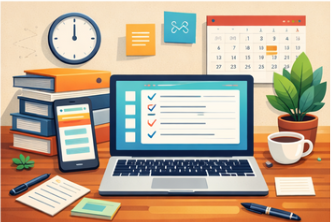
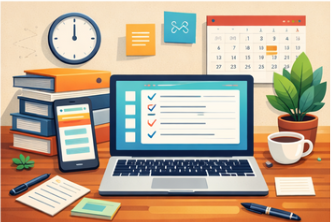
In today’s busy world, staying organized and efficient is more important than ever. That’s where cheap Productivity and Tools come into play. These affordable solutions help individuals, students, entrepreneurs, and businesses streamline tasks, manage time effectively, and improve collaboration—all without draining their wallets.
You don’t need expensive software to get big results. In fact, many budget-friendly productivity tools offer powerful features that rival premium platforms. The key is knowing what to look for and how to use them wisely.
Let’s dive deep into how these cost-effective tools can transform your workflow and boost your performance.
Why cheap Productivity and Tools Matter in Today’s Fast-Paced World
The digital era has completely reshaped how we work. Remote jobs, freelancing, online businesses, and digital learning are now common. Because of this shift, productivity software has become essential.
The Rising Demand for Budget-Friendly Productivity Solutions
Small businesses and startups often operate on tight budgets. Investing thousands of dollars into enterprise software simply isn’t realistic. This has created a growing demand for affordable solutions that deliver strong results at minimal cost.
Many affordable tools now offer features such as:
- Task automation
- File sharing
- Cloud storage
- Project tracking
- Team messaging
These features help level the playing field, allowing small teams to compete with larger organizations.
How Affordability Impacts Accessibility
Affordable productivity tools make organization and efficiency accessible to everyone—not just corporations. Students, freelancers, and solopreneurs can now manage projects professionally without expensive subscriptions.
When tools are affordable, more people can:
- Track deadlines
- Plan daily tasks
- Monitor progress
- Improve time management
And honestly, that’s a win for everyone.
Key Features to Look for in cheap Productivity and Tools
Not all productivity tools are created equal. Even if they’re affordable, they must offer meaningful functionality.
User-Friendly Interface
A simple, intuitive design ensures you spend less time learning and more time doing. Complicated dashboards can actually reduce productivity.
Look for tools that offer:
- Clean navigation
- Easy onboarding
- Simple task creation
- Drag-and-drop functionality
Automation Capabilities
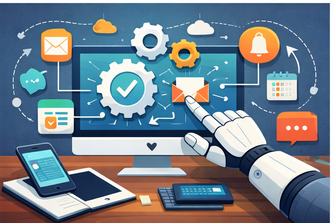
Automation saves hours every week. Whether it’s recurring tasks or automatic reminders, smart features can eliminate repetitive work.
Examples include:
- Automated email notifications
- Task reminders
- Workflow triggers
Cross-Platform Integration
Your productivity tool should work across devices—desktop, tablet, and mobile. It should also integrate with platforms like Google Workspace or Microsoft Office.
Seamless integration means less switching between apps and more focus on actual work.

Top Categories of cheap Productivity and Tools
There are several categories to explore depending on your needs.
Task Management Tools
Task managers help break big projects into manageable steps. They allow you to assign deadlines, set priorities, and track progress visually.
These tools often include:
- Kanban boards
- To-do lists
- Calendar views
Time Tracking Applications
Time tracking tools monitor how long tasks take. This helps identify inefficiencies and improve time management.
They are especially useful for:
- Freelancers billing clients
- Teams measuring productivity
- Individuals improving focus
Collaboration Platforms
Collaboration tools enable team communication and file sharing. These are vital for remote teams.
Common features include:
- Instant messaging
- Shared documents
- Project boards
- Video conferencing
Note-Taking Software
Digital note-taking tools help capture ideas quickly and organize information in one place.
They often allow:
- Tagging
- Cloud syncing
- Search functionality
- Multimedia attachments
Benefits of Using cheap Productivity and Tools
Affordable doesn’t mean low quality. In fact, many cheap Productivity and Tools offer impressive advantages.
Cost Savings Without Sacrificing Quality
Budget-friendly tools reduce operational expenses while maintaining functionality. This frees up funds for other business needs.
Improved Workflow Efficiency
When tasks are organized clearly, work flows naturally. Automation reduces manual effort. Clear communication minimizes confusion.
The result? Faster project completion.
Enhanced Team Communication
Centralized platforms reduce email clutter and improve collaboration. Everyone stays informed and aligned.
Comparing Free vs. Paid Productivity Tools
Free tools are great for beginners. However, they often have limitations such as:
- Limited storage
- Fewer integrations
- Restricted user access
Paid versions usually offer advanced features, priority support, and higher security.
Before upgrading, consider:
- Your team size
- Data storage needs
- Integration requirements
Sometimes a low-cost paid plan offers the best balance between affordability and performance.
How to Choose the Right cheap Productivity and Tools
Choosing the right tool requires strategy.
Identify Your Needs
Start by asking:
- Do I need task management?
- Time tracking?
- Team collaboration?
- File storage?
Define your goals clearly.
Check Reviews and Ratings
Look for user reviews on trusted platforms like G2 or Capterra. Honest feedback provides insight into usability and reliability.
Test Before Committing
Most productivity tools offer free trials. Use them. Explore features and test compatibility with your workflow.
Common Mistakes to Avoid
Avoid these pitfalls:
- Choosing tools based only on price
- Ignoring integration compatibility
- Overloading with too many apps
- Skipping user training
Remember, the best tool is the one you’ll actually use consistently.
Future Trends in Budget Productivity Software
The future looks promising. Innovations include:
- AI-powered automation
- Smart scheduling
- Voice-controlled task management
- Advanced analytics
Affordable tools are becoming smarter every year. According to industry insights shared by technology publications like TechCrunch, startups are leading innovation in cost-effective productivity solutions.
As technology evolves, cheap Productivity and Tools will continue delivering powerful features at lower costs.
Frequently Asked Questions
1. Are cheap Productivity and Tools reliable?
Yes, many affordable tools are highly reliable and offer strong performance comparable to premium options.
2. Can small businesses benefit from budget productivity software?
Absolutely. Small businesses often gain the most from affordable solutions due to lower operating costs.
3. Do cheap tools compromise data security?
Not necessarily. Many reputable providers invest heavily in encryption and cloud security.
4. What is the best type of productivity tool for students?
Task managers and note-taking apps are particularly useful for students managing assignments and deadlines.
5. How often should I review my productivity tools?
Review your tools every 6–12 months to ensure they still meet your needs.
6. Can I switch productivity tools easily?
Most tools allow data export, making transitions relatively smooth.
Conclusion
In a world where efficiency drives success, cheap Productivity and Tools offer a smart, accessible solution for individuals and businesses alike. They provide essential features such as task management, automation, and collaboration—without high costs.
The secret isn’t spending more money. It’s choosing wisely.
By identifying your needs, testing tools carefully, and avoiding common mistakes, you can dramatically improve productivity while staying within budget.
Affordable doesn’t mean average. In fact, with the right tools, you might just outperform the competition.